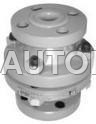
About Flange Butterfly Valve
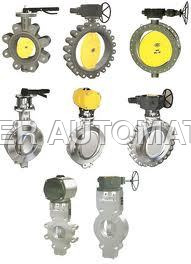
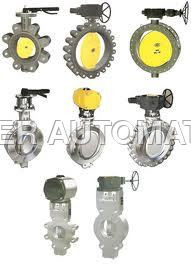
With the aid of our qualified professionals, we are able to manufacture, supply and export Flange Butterfly Valve. This valve is manufactured at our unit using premium raw materials which are procured by us from the certified sources of the market. Our offered product is available with us in various specifications in order to match with the differential needs of our customers. We are providing these with intricate design with the help of our professionals. Our Flange Butterfly Valve is widely acclaimed amongst our customers for:
Flange Butterfly Valve
Butterfly Valves available in 1/2" to 12"
girish shah
9223306963
Versatile and Durable ConstructionChoose from Cast Iron, Ductile Iron, or Stainless Steel bodies with corrosion-resistant coatings: Fusion Bond Epoxy, Liquid Epoxy, or Polyurethane Paint. The valve offers robust durability even in demanding water treatment, chemical, and industrial environments, supporting installation in both vertical and horizontal piping.
Flexible Operation and Advanced SealingOperate the valve with a hand lever, gear, or various actuators (manual, electric, pneumatic, hydraulic), tailored to system requirements. Options for soft or metal seats deliver reliable zero leakage or Class IV/V leakage rates, ensuring tight shutoff for critical applications such as fire protection and water supply.
Wide Range of Standards and SizesThese valves are available in sizes from DN50 to DN1200 (2" to 48") and are compliant with DIN, JIS, BS, and ANSI standards. The ISO 5211 top flange offers easy actuator mounting, making them ideal for distributors, exporters, and suppliers serving diverse markets worldwide.
FAQs of Flange Butterfly Valve:
Q: How do I select the appropriate coating for a Flange Butterfly Valve in my application?
A: The choice between Fusion Bond Epoxy, Liquid Epoxy, or Polyurethane Paint depends on your operating environment. Fusion Bond Epoxy offers high corrosion resistance for water and sewage, while Polyurethane Paint provides durability in chemical exposure. Consider the fluid type, operating temperature, and system requirements when selecting your coating.
Q: What are the available operation methods for this valve, and where are they suited?
A: You can operate the valve manually (by hand lever or gear) or automate it using pneumatic, electric, or hydraulic actuators. Manual operation suits smaller sizes or infrequent cycling, while actuators are recommended for large valves or where remote or automated control is needed, such as in municipal or industrial plants.
Q: When should I use a metal seat versus a soft seat for this butterfly valve?
A: Choose a soft seat (NBR, EPDM, PTFE) for zero-leakage applications with water, gas, or compatible chemicals. Metal seats (Class IV/V leakage) are preferable for high-temperature or abrasive media, such as in power generation or chemical processing where enhanced durability is necessary.
Q: Where can these Flange Butterfly Valves be installed and what mounting options are available?
A: These valves can be installed in both vertical and horizontal positions, suiting pipelines in water supply, sewage treatment, and fire protection systems. The ISO 5211 top flange allows for straightforward actuator mounting, ensuring flexibility in automation and control systems.
Q: What is the process for selecting the appropriate connection type and standard?
A: Identify your applications standard (DIN, JIS, BS, ANSI) and corresponding pressure rating (PN6, PN10, PN16, ANSI 150, or JIS10K). Choose from Wafer, Flanged End, or Double Flanged types based on piping layout and required tightness. Consultation with a distributor or supplier can ensure the correct specification for your project.
Q: How can these valves benefit my operation in water, chemical, or fire protection systems?
A: These valves provide reliable isolation, flexible actuation, and robust corrosion resistance, minimizing maintenance and downtime. Their design ensures versatility across a range of mediawater, oil, gas, and chemicalsmaking them a dependable choice for critical infrastructure applications.
 Send Inquiry



 Send Inquiry

 Send Inquiry

